1. Definitions: Systemic Inflammatory Response Syndrome (SIRS) SIRS describes a non-specific systemic inflammatory state, triggered by infectious or non-infectious insults. SIRS Criteria (Traditional) Presence of ≥2 of: Temperature >38°C or <36°C Heart rate >90/min Respiratory rate >20/min or PaCO₂ <32 mmHg WBC >12,000 or <4,000 or >10% bands SIRS can occur in: Trauma Burns Pancreatitis Post-operative states Infections SIRS is not equivalent to infection. Sepsis (Sepsis-3 Definition) According to the Surviving Sepsis Campaign and consensus definitions: Sepsis is life-threatening organ dysfunction caused by a dysregulated host response to infection. Operationalized as: Suspected/confirmed infection Increase in SOFA score ≥2 Septic Shock A subset of sepsis characterized by: Persistent hypotension requiring vasopressors Serum lactate >2 mmol/L despite adequate fluid resuscitation This carries a mortality >40%. Sho...
Whey Protein: Beneficial or Harmful?
Whey protein is one of the most widely consumed nutritional supplements globally. From athletes and fitness enthusiasts to elderly individuals with sarcopenia, its use spans multiple demographics.
But the question remains:
Is whey protein truly beneficial — or potentially harmful?
Let’s examine the science.
What Is Whey Protein?

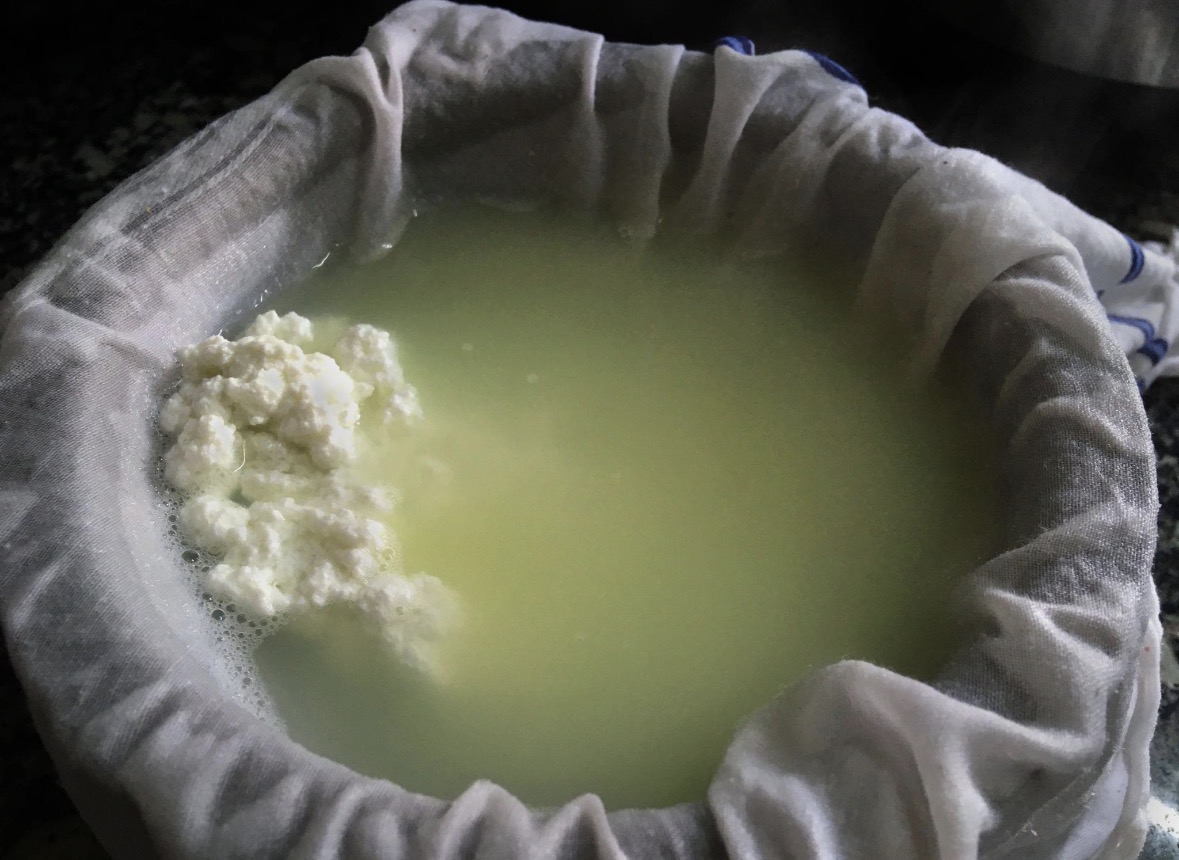
Whey protein is derived from milk during cheese production. When milk coagulates, it separates into:
- Curds (solid fraction → cheese)
- Whey (liquid fraction → protein-rich)
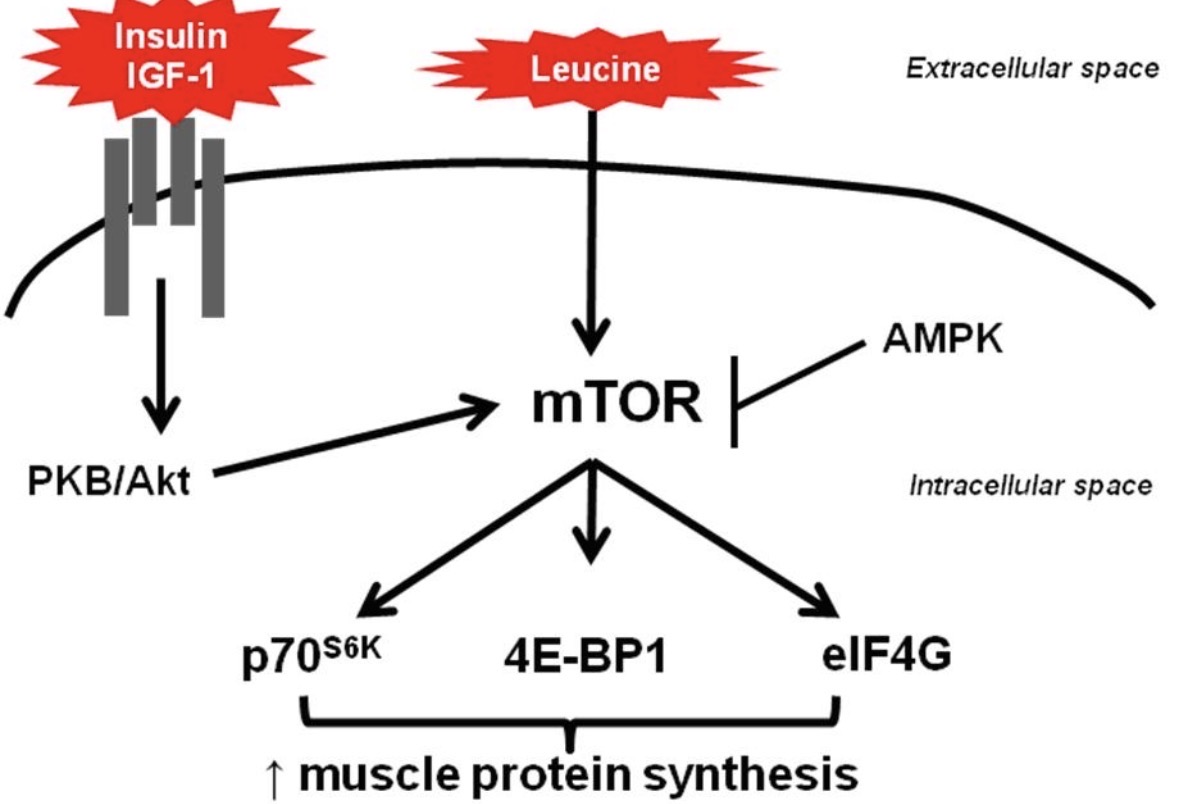
Whey is considered a complete protein because it contains all nine essential amino acids. It is especially rich in leucine, which stimulates muscle protein synthesis via activation of the mTOR pathway.
There are three common forms:
- Whey Concentrate (WPC) – 70–80% protein, contains some lactose and fat
- Whey Isolate (WPI) – ≥90% protein, minimal lactose
- Whey Hydrolysate (WPH) – Pre-digested, faster absorption
Health Benefits of Whey Protein
1. Muscle Growth & Recovery
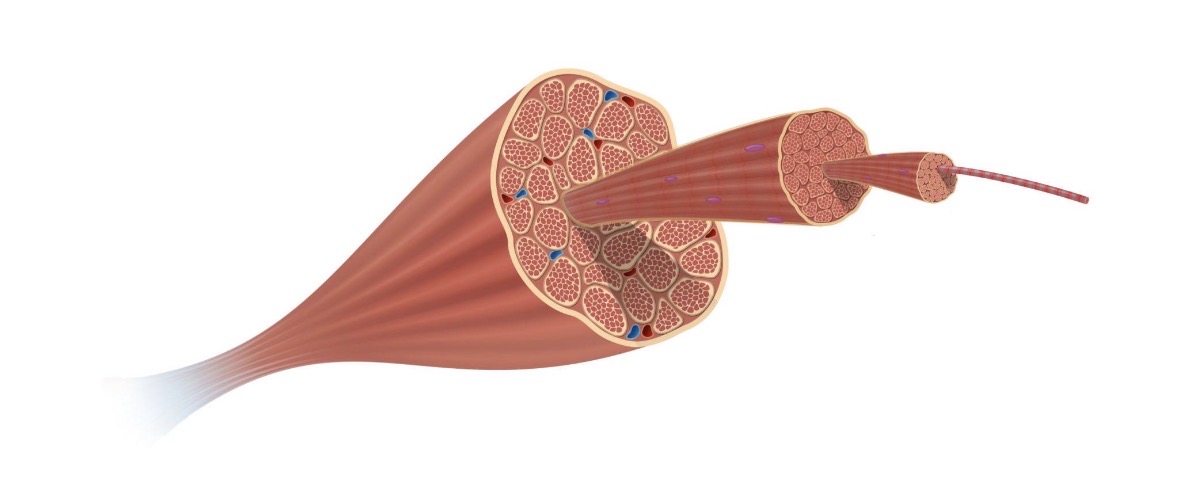
Whey protein is highly effective in stimulating muscle protein synthesis due to:
- High leucine content
- Rapid amino acid absorption
- Strong activation of mTOR signaling
Clinical applications include:
- Resistance training adaptation
- Post-operative recovery
- Sarcopenia in elderly
- Trauma and catabolic states
Evidence consistently shows whey protein enhances lean body mass when combined with resistance training.
2. Weight Management & Fat Loss
Whey protein increases satiety hormones:
- GLP-1
- PYY
- CCK
It also reduces ghrelin levels (hunger hormone).
Benefits include:
- Reduced appetite
- Better caloric control
- Preservation of lean mass during fat loss
Protein also has the highest thermic effect of food (TEF), increasing energy expenditure.
3. Glycemic Control
Whey protein improves insulin secretion and reduces postprandial glucose spikes.
Clinical relevance:
- Adjunct support in type 2 diabetes
- Improved metabolic response to high-carbohydrate meals
It should complement — not replace — medical therapy.
4. Cardiometabolic Effects
Some studies suggest:
- Mild reduction in blood pressure
- Improved lipid profiles
- Anti-inflammatory effects
However, these benefits are modest and not a substitute for pharmacological treatment when required.
Is Whey Protein Harmful?
1. Does Whey Protein Damage Kidneys?
This is the most common concern.
In healthy individuals, research does NOT support the claim that whey protein causes kidney damage.
High protein intake increases glomerular filtration rate (GFR) temporarily — this is a physiological adaptation, not pathology.
However:
- Individuals with chronic kidney disease (CKD) must restrict protein.
- Excessive long-term intake (>2.5–3 g/kg/day) may stress renal function in susceptible individuals.
Conclusion: Safe in healthy kidneys. Risky in existing renal disease.
2. Liver Concerns
There is no high-quality evidence that whey protein damages the liver in healthy individuals.
Problems reported in literature often involve:
- Contaminated supplements
- Undeclared anabolic agents
- Poor-quality manufacturing
The issue is typically product adulteration, not whey itself.
3. Gastrointestinal Side Effects
More common with whey concentrate due to lactose content:
- Bloating
- Diarrhea
- Flatulence
Switching to whey isolate usually resolves symptoms.
4. Acne & Hormonal Effects
Some individuals report acne exacerbation. Proposed mechanism:
- Increased insulin & IGF-1 signaling
Evidence remains inconclusive but plausible in acne-prone individuals.
5. Heavy Metal Contamination
Independent analyses have found some protein supplements contaminated with:
- Lead
- Cadmium
- Arsenic
Always choose:
- Third-party tested brands
- Certified manufacturing standards (GMP)
Recommended protein intake:
- Sedentary adult: 0.8 g/kg/day
- Active individual: 1.2–2.0 g/kg/day
- Muscle-building phase: up to 2.2 g/kg/day
Whey protein should supplement dietary protein—not replace whole foods.
Example (70 kg individual aiming for 1.6 g/kg):
- Total protein target = 112 g/day
- If diet provides 80 g → 1 scoop (~25 g) whey is reasonable
Who Should Avoid Whey Protein?
- Chronic kidney disease
- Severe liver disease
- Milk allergy
- Phenylketonuria
- Unsupervised use in pregnancy
Whey Protein vs Natural Food Protein
Whole food sources:
- Eggs
- Fish
- Chicken
- Lentils
- Dairy
Whey is not essential — it is convenient and efficient.
For healthy adults:
Whey protein is safe and beneficial when used in appropriate doses.
For individuals with medical conditions:
Use should be supervised.
The dose — and context — determines safety.
I personally have used some brands like Myprotein, GNC, MuscleTech and TrueBasics for whey protein powder.
Currently, I’m using ‘TrueBasics Unflavoured Concentrate Whey Protein Powder’ which has balance taste and giving better results.
Choose your brand for whey protein powder and let me know about your experience.
What is the next topic we should be talking about ? Mention in comments !
Thank you for reading and support 💛.
Scientific References
- Morton RW et al. (2018). A systematic review, meta-analysis and meta-regression of protein supplementation on resistance training–induced gains in muscle mass and strength. British Journal of Sports Medicine.
- Phillips SM. (2017). Current concepts and unresolved questions in dietary protein requirements and supplements in adults. Frontiers in Nutrition.
- Devries MC, Phillips SM. (2015). Supplemental protein in support of muscle mass and health. Current Opinion in Clinical Nutrition and Metabolic Care.
- Poortmans JR, Dellalieux O. (2000). Do regular high protein diets have potential health risks on kidney function? International Journal of Sport Nutrition and Exercise Metabolism.
- Friedman AN. (2004). High-protein diets: potential effects on the kidney. American Journal of Kidney Diseases.
- Pal S, Radavelli-Bagatini S. (2013). Effects of whey protein on cardiometabolic risk factors. Nutrition Reviews.
- Jakubowicz D et al. (2014). Whey protein improves glycemic control in type 2 diabetes. Diabetes Care.
Comments
Post a Comment